
Workplace Anxiety: Signs Work Stress Is Becoming More Than Stress
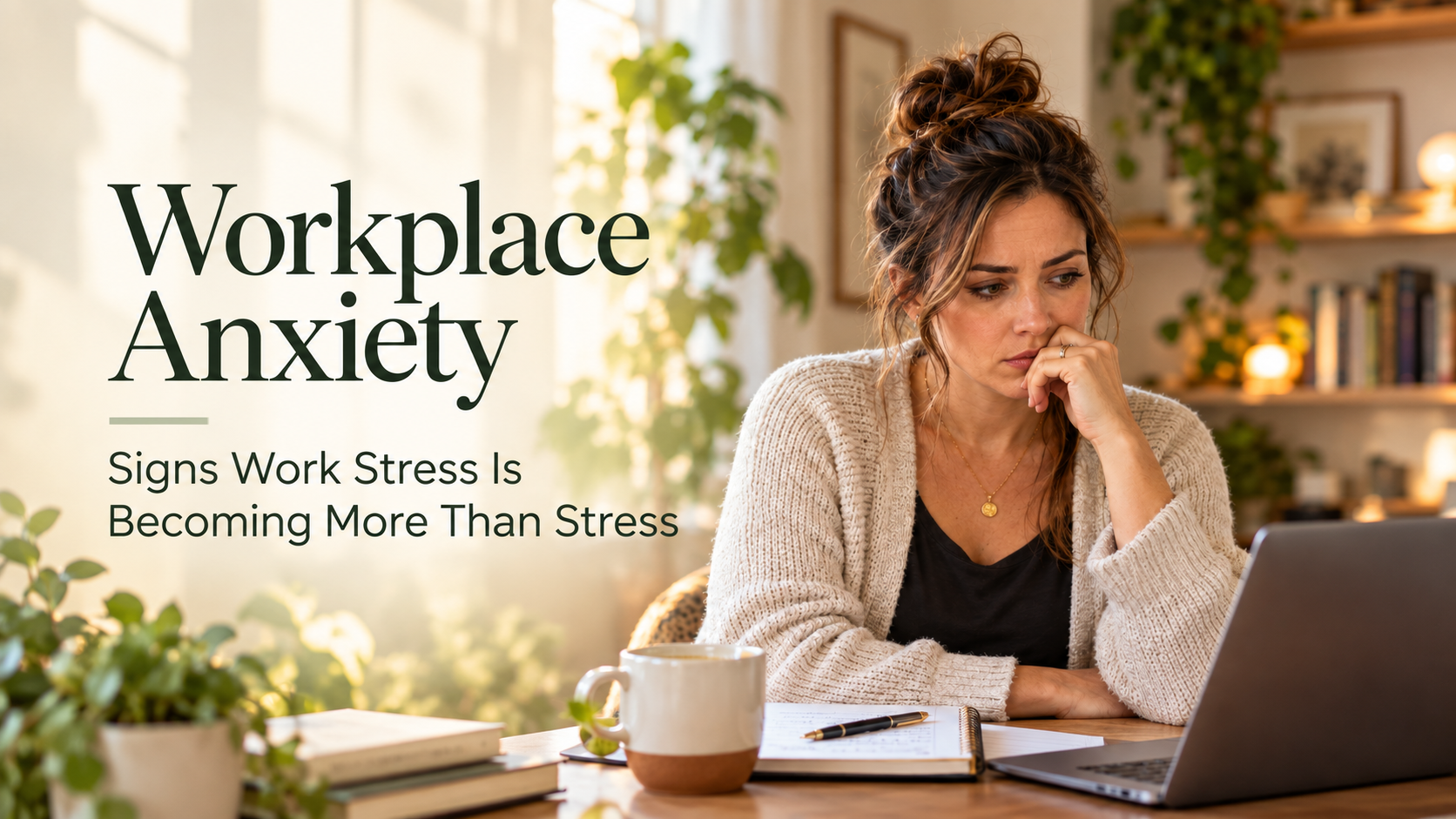
You finish your workday, close your laptop, and try to relax. But your mind keeps returning to tomorrow's meetings, unfinished tasks, and an email you worry you might have sent incorrectly. Even when you're away from work, it feels impossible to switch off.
Occasional work stress is normal, especially during demanding projects or major changes. However, when worry becomes persistent, follows you home, disrupts your sleep, or leaves you dreading another workday, you may be experiencing workplace anxiety.
Recognizing the difference can help you understand what's happening and identify the support you need.
What Is Workplace Anxiety?
Workplace anxiety refers to persistent worry, fear, or nervousness connected to your job or working environment. You might feel anxious about making mistakes, meeting expectations, interacting with colleagues, or losing your job.
Unlike temporary stress before an important deadline, workplace anxiety may continue even when there is no immediate problem to solve. Your mind stays focused on potential difficulties, making it harder to concentrate, relax, or enjoy time away from work.
Workplace anxiety is not a separate clinical diagnosis. However, persistent anxiety that interferes with everyday functioning deserves attention and may sometimes be associated with an anxiety disorder.
7 Signs Your Work Stress May Be Turning Into Anxiety
Workplace anxiety doesn't always look like panic or obvious distress. Some people continue meeting deadlines, receiving positive feedback, and appearing confident while struggling privately.
These seven signs can help you recognize when work-related pressure may be affecting your emotional and physical well-being.
1. You Dread Going To Work
Sunday evenings fill you with anxiety about Monday morning. You might repeatedly check your calendar, imagine difficult conversations, or wake up feeling nervous about the day ahead.
Occasional nervousness before a challenging workday is understandable. However, regularly feeling intense dread, even when nothing particularly stressful is scheduled, may indicate that work-related anxiety is becoming persistent.
2. You Cannot Stop Thinking About Work
Your workday ends, but the mental activity continues. You replay conversations with colleagues, worry about unfinished assignments, or imagine everything that could go wrong tomorrow.
Even during weekends or vacations, you struggle to feel present because your thoughts keep returning to professional responsibilities. Over time, this constant mental activity can make genuine rest increasingly difficult.
3. Work Stress Is Affecting Your Physical Health
Anxiety doesn't only affect your thoughts. You might experience headaches, muscle tension, stomach discomfort, a racing heartbeat, or difficulty sleeping before important workdays.
When stress becomes persistent, physical symptoms may follow you outside working hours. Understanding the physical signs of stress can help you recognize when your body may be responding to prolonged pressure.
Because these symptoms can have other medical causes, new, severe, or persistent physical concerns should also be evaluated by a healthcare professional.
4. You Constantly Worry About Making Mistakes
You carefully review every email before sending it, repeatedly check completed assignments, or worry that one small mistake could damage your professional reputation.
Even after receiving positive feedback, you might question whether your performance is good enough. This pattern can be especially exhausting when perfectionism makes ordinary workplace decisions feel unusually important.
5. You Start Avoiding Certain Work Situations
Perhaps you delay opening emails, avoid speaking during meetings, or postpone tasks because you're afraid of making the wrong decision.
Avoidance can provide temporary relief, but it may also create additional pressure as responsibilities accumulate. Eventually, even manageable tasks can begin to feel overwhelming.
6. You Feel Irritable, Exhausted, Or Emotionally Overwhelmed
Small workplace frustrations begin to feel disproportionately upsetting. You may become impatient with colleagues, struggle to concentrate, or feel emotionally drained before the day is over.
Sometimes, exhaustion continues even after a full night's sleep. You may find yourself withdrawing from conversations or feeling unusually sensitive to criticism.
7. Work Anxiety Is Affecting Your Personal Life
One of the clearest warning signs is when work-related worry begins affecting relationships, hobbies, and time with loved ones.
You might cancel plans because you're exhausted, feel distracted during conversations, or struggle to enjoy activities that previously helped you relax. When work dominates your emotional life, it may be time to reconsider how you're managing stress.
Work Stress Vs. Workplace Anxiety Vs. Burnout
Although these experiences overlap, understanding their differences can help you identify what kind of support may be useful.
Work stress usually develops in response to identifiable pressures, such as deadlines, increased responsibilities, or challenging projects. It may ease when the stressful situation is resolved.
Workplace anxiety involves worry or apprehension that may continue even when immediate demands have passed. You might anticipate future problems, struggle to control your thoughts, or experience ongoing physical tension.
Burnout develops in connection with chronic workplace stress. It involves exhaustion, increased emotional distance or cynicism toward work, and reduced professional effectiveness. Burnout is classified as an occupational phenomenon rather than a medical condition.
You can experience anxiety and burnout simultaneously. If exhaustion, detachment, and persistent worry are affecting your life, professional support and changes to your working conditions may both be necessary.
Why Does Work Cause So Much Anxiety?
Workplace anxiety can develop for several reasons, and the cause isn't always related to your personality or ability to manage pressure.
Excessive workloads, unrealistic expectations, job insecurity, poor communication, bullying, and limited support can create ongoing stress. A workplace where expectations constantly change may make it especially difficult to feel secure.
Personal experiences can also influence your response. Perfectionism, fear of criticism, previous workplace difficulties, or a strong need for approval may contribute to heightened anxiety.
For some people, earlier experiences of feeling unsafe or constantly criticized can influence how they respond to authority figures or workplace conflict. However, not all workplace anxiety is trauma-related, and sometimes the working environment itself is the primary problem.
How To Manage Workplace Anxiety
Managing workplace anxiety involves understanding your triggers, developing ways to regulate your emotions, and addressing workplace conditions that may be contributing to your distress.
The goal isn't to eliminate every uncomfortable feeling. It's to create healthier ways of responding while recognizing when changes beyond individual coping strategies are needed.
Start By Recognizing Your Anxiety Triggers
Notice when your anxiety becomes most intense. Does it happen before meetings, after receiving feedback, when deadlines approach, or during interactions with a particular colleague?
Identifying patterns can help you distinguish between specific workplace challenges and more generalized worry. Consider briefly recording what happened, what you felt, and how you responded.
Give Your Nervous System Time To Settle
When anxiety rises, your body may respond as though something threatening is happening, even when you're dealing with an ordinary workplace situation.
You can experiment with a few simple strategies:
Take several slow, comfortable breaths before responding to a stressful message.
Place your feet on the floor and notice your surroundings.
Step away from your screen for a brief movement break.
Identify one manageable task instead of focusing on everything that needs to be completed.
Practicing ways to regulate your nervous system may help you recognize physical tension and respond more intentionally when pressure builds.
Establish Healthier Work Boundaries
If you're constantly available, your mind may struggle to recognize when the workday is over. Consider establishing reasonable communication hours, taking regular breaks, and discussing competing priorities with your manager.
However, boundaries alone cannot resolve every workplace problem. If excessive demands, harassment, or unsafe working conditions are contributing to your anxiety, organizational changes and appropriate workplace support may also be necessary.
When Should You Seek Professional Help For Work Anxiety?
You don't need to wait until you're completely overwhelmed to seek support. If anxiety regularly disrupts your sleep, affects relationships, makes it difficult to concentrate, or causes you to avoid everyday responsibilities, speaking with a mental health professional may help.
Therapy can provide space to understand your anxiety triggers, recognize unhelpful thought patterns, and develop coping strategies suited to your circumstances.
For people experiencing persistent worry or anxiety, anxiety therapy in San Francisco can offer personalized support for managing symptoms and exploring the experiences contributing to ongoing distress.
How Calm Again Counseling Can Help With Workplace Anxiety
Calm Again Counseling provides trauma-informed, evidence-based therapy for adults experiencing anxiety, emotional overwhelm, and work-related stress.
Our therapists use individualized approaches, including Cognitive Behavioral Therapy (CBT), to help clients identify anxious thought patterns, develop coping skills, and explore emotional responses. When appropriate, therapy may also address earlier experiences contributing to perfectionism, fear of criticism, or difficulty establishing boundaries.
Finding the right therapist matters. Our intake coordinator begins with a free 15-minute consultation to understand your concerns, preferences, and goals before helping match you with a therapist.
Whether you prefer in-person sessions at our Noe Valley office in San Francisco or the flexibility of online therapy in California, our team is here to support you as you work toward greater emotional balance.
You Don't Have To Carry Work Anxiety Alone
If work-related anxiety is affecting your well-being, we're here to help you find the right support. Connect with Calm Again Counseling and take the first step toward feeling calmer and more confident.
Book a FREE 15-Minute Consultation
Frequently Asked Questions About Workplace Anxiety
Is Workplace Anxiety A Mental Health Disorder?
Workplace anxiety isn't a standalone clinical diagnosis. However, persistent worry about work may be associated with an anxiety disorder or other mental health concerns. A qualified mental health professional can assess your symptoms and help determine what type of support may be appropriate.
Why Do I Feel Anxious Before Going To Work?
Anxiety before work can develop from excessive responsibilities, difficult relationships, uncertainty, fear of failure, or previous stressful workplace experiences. Sometimes, anticipating a challenging situation creates distress long before the situation actually occurs.
Can Workplace Anxiety Make You Physically Sick?
Workplace anxiety may contribute to headaches, digestive discomfort, muscle tension, sleep difficulties, and other physical symptoms. However, these experiences aren't exclusive to anxiety. Consult a healthcare professional if symptoms are new, persistent, severe, or concerning.
How Do I Know If I Have Workplace Anxiety Or Burnout?
Workplace anxiety often involves persistent worry, nervousness, or anticipating negative outcomes. Burnout generally involves exhaustion, emotional distance from work, and reduced professional effectiveness. Both can occur together, and professional assessment may help clarify what you're experiencing.
Should I Tell My Manager About My Workplace Anxiety?
Whether to disclose anxiety depends on your circumstances, workplace relationships, and the support you're seeking. If you feel comfortable, discussing workload expectations or requesting reasonable adjustments may help. You can also explore available employee assistance resources.
Can Therapy Help With Workplace Anxiety?
Yes. Therapy can help you understand anxiety triggers, address unhelpful thinking patterns, improve emotional regulation, and develop healthier responses to workplace stress. Your therapist can also help you explore boundaries and distinguish between personal anxiety patterns and workplace conditions that need to change.
